

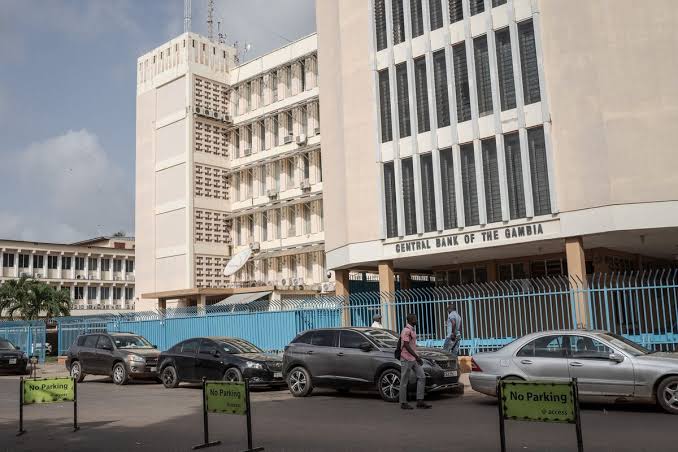






News Gambia Agriculture: China dispatches agricultural experts to boost Gambia’s food security
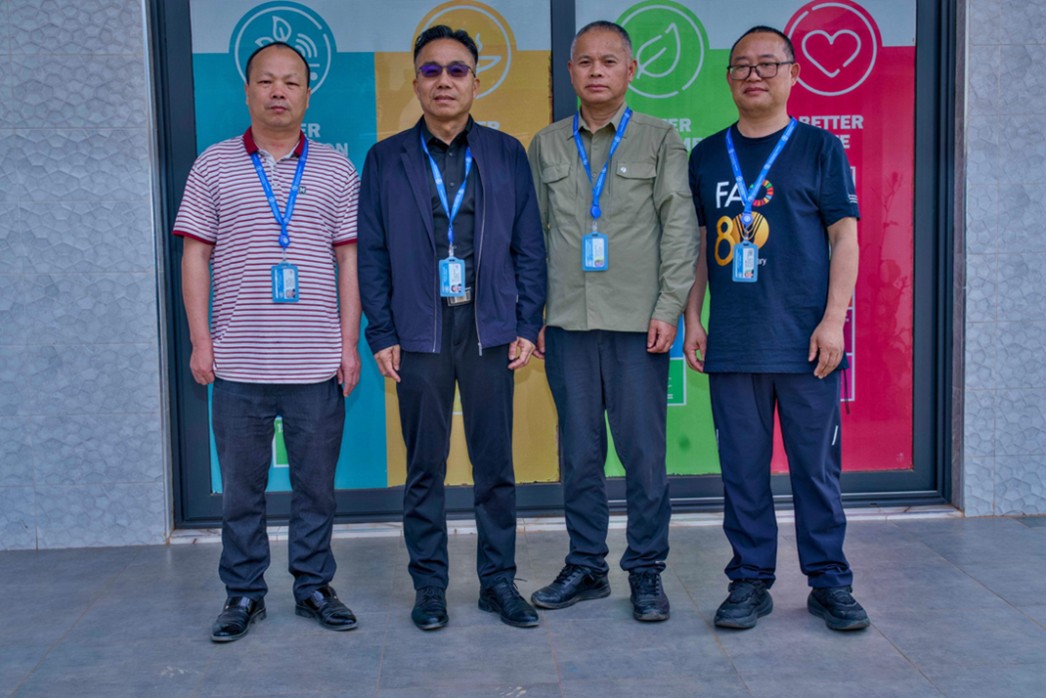
The experts arrived under the South-South Triangular Cooperation Programme, implemented by the Food and Agriculture Organization of the United Nations (FAO) with support from China. Led by agricultural mechanisation specialist Li Zhi, the team includes experts in rice breeding, irrigation systems, and high-yield rice cultivation.
News Gambia Agriculture: Systemic Vulnerability and Adaptation Traps in The Gambia’s Agricultural Sector under Climate Change ()
The Gambia’s agricultural sector, which is predominantly rain-fed and employs 70% of the labor force, is exceptionally vulnerable to climate change. This study assesses the impacts of projected climate change on crop water requirements and the broader agro-ecological system to inform national adaptation planning. A hybrid modeling framework is employed that integrates a biophysical crop water model (CROPWAT 8.0) with a system dynamics (SD) model. The CROPWAT analysis uses CMIP6 climate projections for two Shared Socioeconomic Pathways (SSP2-4.5 and SSP5-8.5) for the mid-century period (2040-2059) to quantify changes in reference evapotranspiration (ETo) and crop water requirements (CWR) for five major crops. The SD model simulates the long-term (2020-2060) behavior of the interconnected agricultural, water, and socioeconomic subsystems under three policy scenarios. These are the Business-as-Usual (BAU), Infrastructure Investment, and Crop Diversification scenarios. Results from the CROPWAT model indicate a significant increase in atmospheric water demand, with ETo rising by 6.3% - 7.4% and CWR for all crops increasing by 3.3% - 4.3%. The net irrigation requirement for rice, an important staple, is projected to increase by a substantial 14.9% - 21.9%. The SD model reveals a concerning long-term decline in the food security index and average farmer income across all scenarios, even with policy interventions. These interventions provide only marginal improvements over BAU, highlighting a systemic “adaptation trap” where climate-induced poverty suppresses the capacity to invest in resilience. The findings demonstrate that incremental, field-level adaptation strategies are insufficient to counter the systemic pressures of climate change and population growth. This study concludes that a shift towards impactful, national-level policies focused on structural economic change and large-scale water management is imperative for building long-term resilience in The Gambia.
News Gambia Agriculture: The Gambia Leads the World in Rice Consumption Per Person
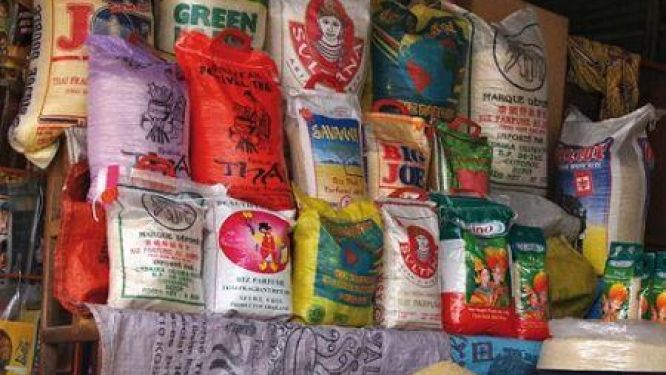
Gambia world’s top rice consumer at 256 kg per capita Rice provides 75% rural caloric intake Country imports nearly 80% of rice consumption Rice consumption in The Gambia averages 256.4 kg per capita ...
News Gambia Agriculture: 5 interesting facts about the predominant women-farming culture in the Gambia
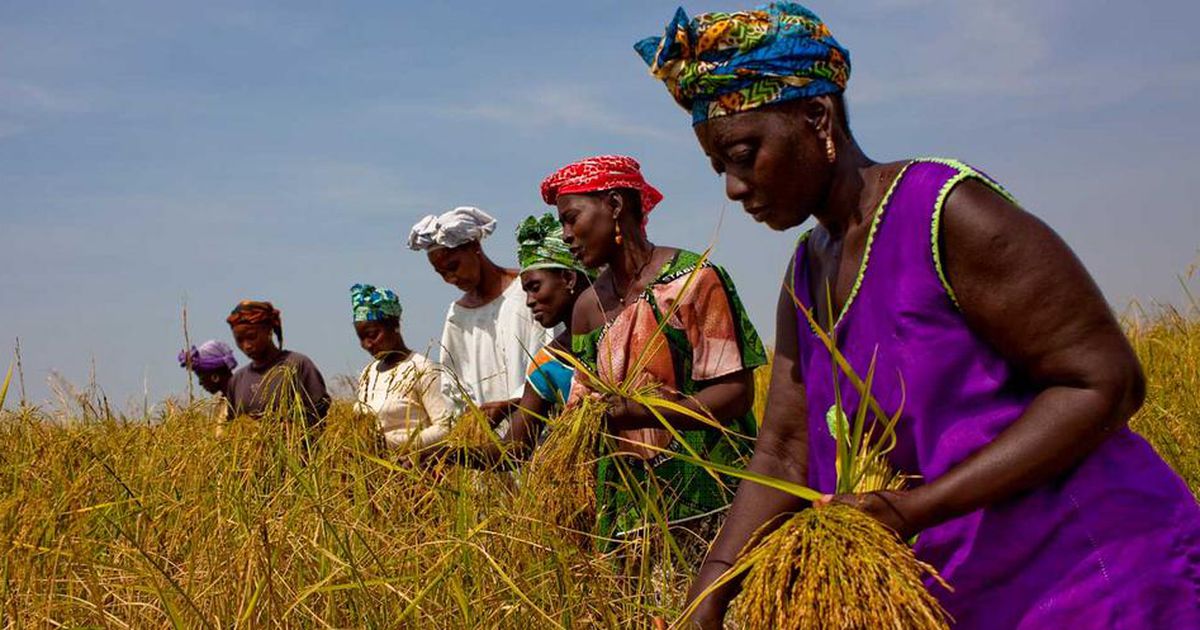
For the West African nation of The Gambia, agriculture is a particularly valuable economic driver. Agriculture is the backbone of the African economy, regardless of a surplus or deficiency of oil or ...
News Gambia Agriculture: Gambia: ActionAid, Partners Launch 3-Year Sustainable Agricultural Project
ActionAid International -The Gambia, in partnership with Njawara Agricultural Training Center, Gambia Participates, and Center for Policy Research and Strategic Studies has launched a 3-year project ...
News Gambia Agriculture: The Gambia Varsity Renames Agriculture School After Ex-AfDB President Adesina
The University of The Gambia has renamed its School of Agriculture and Environmental Services after former President of the African Development Bank (AfDB) ...
News Gambia Agriculture: Gambia: UNDP - Agriculture and Local Women Farmers
Agriculture is the backbone of The Gambia's economy, and this sector needs to play a key role if Gambia is to achieve the first goal of MDG 1 which is to halve poverty rates by 2015; and achieve the ...

